


In today’s world, it’s seemingly impossible to go five minutes without somebody somewhere trying to give you nutrition advice. Whether it’s the media quoting the latest fear-mongering message, your personal trainer, or your grandmother, nutrition advice comes from just about anyone and everyone these days. From low carb and ketogenic, to gluten-free, vegetarian diets, and everything in between, it’s so easy to become confused, and have no idea what the best way to eat is. So here I am… giving you more advice about nutrition. But in all seriousness.. I’m trying to find my way through the ocean of endless nutrition advice just like you. These ideas do not contradict any diet method, but instead act to improve or fine tune whatever diet you are currently following.
“The man who grasps principles can successfully select his own methods.”
– Ralph Waldo Emerson
“An amateur marries methods and experiments with principles. The expert marries principles and experiments with methods.”
-Anthony Donskov – Donskov Strength and Conditioning
In my experience the key to a successful diet has never been based on a specific protocol, but rather based on principles that are simple, and sensible. Rarely if ever do I get caught up in counting macronutrient ratios, weighing food on a scale, or really anything that is too complex or time consuming. The more complex and the more variables you add to your diet, the more difficult it will be to stick to. This is a big reason why simplicity is essential. I would estimate I follow these “rules” roughly 90% of them time. There is a place for any sweet treat or indulgence in moderation. Don’t view these are strict rules, view them as fluid guidelines which should be tweaked and exchanged for based on your personal experience.
Principle #1: Eat a lot of vegetables
This should come as no real shock. If there’s one thing just about everyone agrees on, it’s that we should eat more vegetables. Plants are incredible creatures, and quite frankly, the best biochemists on the planet. They have managed to convert sunlight, water, and carbon dioxide into fixated organic molecules that the entire animal kingdom (directly or indirectly) uses as fuel. Vegetables provide us with the necessary vitamins, minerals, fiber blah blah blah you all know this. Consuming more veggies is easier said than done. One strategy that I have used to ensure that I was ingesting enough vegetables per day was to keep track of how many servings I ate. Actually tracking this made me realize that although I thought was getting plenty, I was really only getting a few servings per day. This made it very easy to see why maybe I didn’t feel as good as I should have, or why my digestion was a bit off. Another key for ensuring high vegetable intake has been investing in a local CSA (community supported agriculture). Each week during the warmer half of the year we receive a large basket of vegetables. Yes, it is much more expensive than buying them at the grocery store. But, we know exactly where it all comes from, and we are supporting the local farming community. In fact, I developed a great relationship with the farmer, and he still lets me come and pick kale and spinach from his gardens as I please even though the CSA season has ended. (It’s December and I still go and get kale). Actually, the colder it gets, the sweeter the leafy greens get.
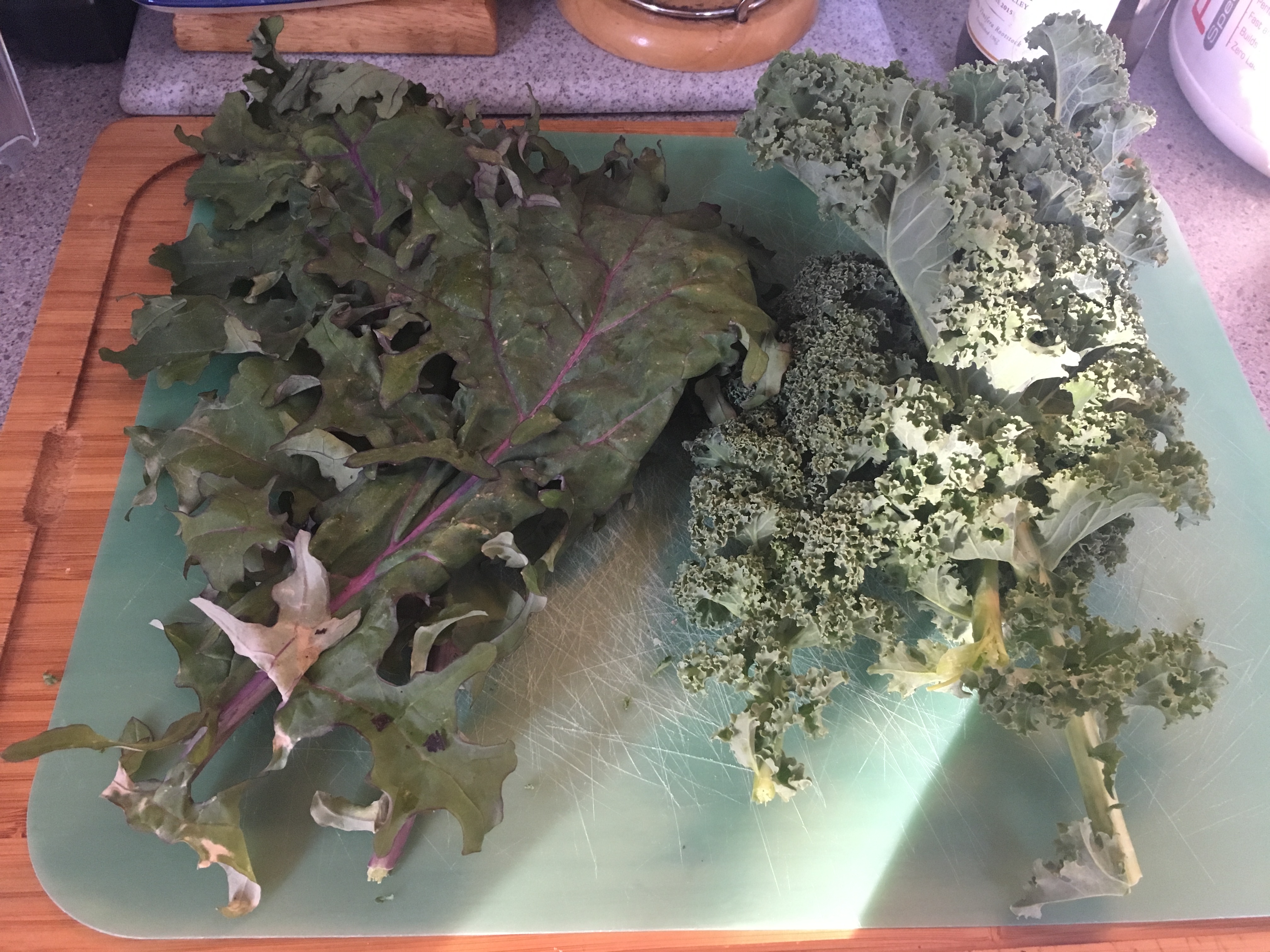
On top of that, eating a lot of vegetables will motivate you to eat well in all areas of your diet. If you had 2 eggs and spinach sauteed in olive oil for breakfast, you will be more hesitant to pursue fast food or the vending machine come lunchtime.
Principle #2: Awareness
The first step to fixing any problem is to first become aware of it. Nutrition is no different. Do you think you generally eat a healthy diet? How do you measure or evaluate this? I’m not suggesting you weigh everything you eat on a scale. Being aware of your intake can be as simple as judging how your body feels after eating specific foods. You know your body best, and by taking notice of how you feel when ingesting certain foods will give you a better idea of what diet suits you best than anybody else. To take this one step further, you could take pictures of all of your meals for a day, a few days, or a week. Then, you can really look at your food intake from a new perspective. You could find that you eat a lot more sugar than you thought you did, or that you’re lacking in quality protein. (This tip is taken from the 4-Hour Body by Tim Ferriss). Regardless of what actions you take, the first step to improving your diet is to first be aware of where you’re actually starting at.
Principle #3: Proper planning
Failing to plan is planning to fail. In other words, why are you buying oreos and muffins at the grocery store? You know there will be a time in the week when you will be tempted to eat them. Do not rely on your willpower to get you through these situations. By keeping the foods that are not part of your diet out of your accessibility, it will be significantly more difficult to break whatever guidelines you set for yourself. So, if there’s an opened bag of potato chips lying on your counter somewhere, and you have no intention of eating it, you should just throw it away now. Don’t put yourself in situations where you will need to resist temptation.
The other side of proper planning involves planning and preparing your meals ahead of time. For me, creating a meal plan for the week, and going to the grocery store and sticking to that plan has been key, as well as packing a lunch from home. This has stopped the inevitable gas station or fast food runs when time is short. Whatever organization and planning methods work best for you, it’s important to implement them and stick to them. This does not need to be time consuming. In fact, it likely saves time in the long run. 1 trip to the grocery store get dinners for the week will use up less time than needing to go pick up dinner every night.
That’s it. Whatever diet plan you follow or adhere to, if you adhere to one at all, these are simple principles that can improve anyone’s nutrition. Do not add unnecessary complexity when it is not required. Just adding one of these principles and implementing it into your life can make a big difference. Once again, as stated earlier, use these ideas as nothing more than guidelines or suggestions. Pick and choose what works for you and your lifestyle, and discard what doesn’t.
Let’s hear from you! What are some strategies or principles that guide your nutrition? Reach out on social media and let us know!